Chronicles · Geo Aragon
The Shot That Cannot Breathe
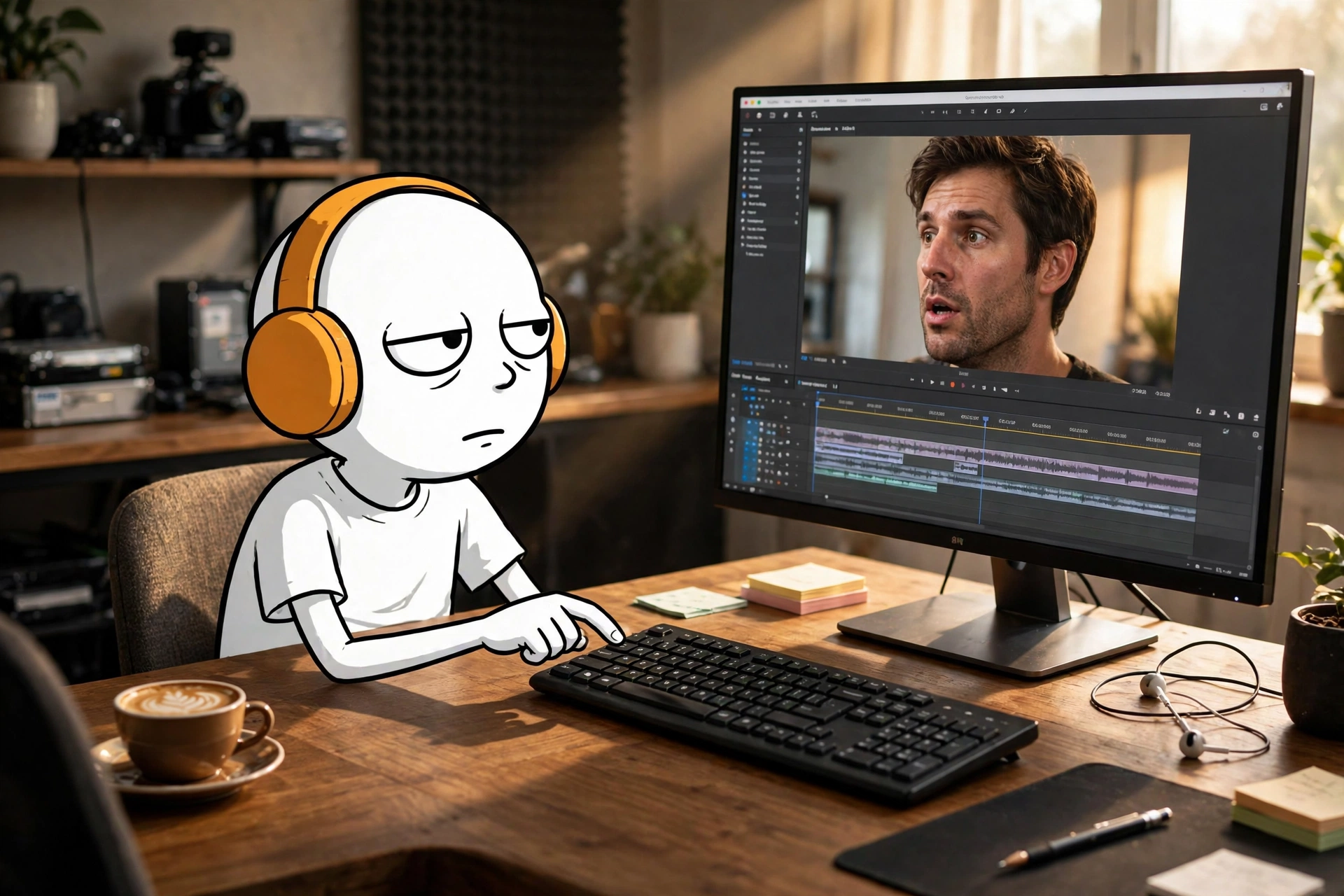
There is a mistake you cannot see on the timeline. You feel it in your chest. The shot was good, the light was good, the actor did exactly what he had to do, and still the scene feels strange, as if it were short of air. Most of the time the problem is not the shot: it is the time it was given to live. It was cut before it finished saying what it had to say, or it was left so long that it ended up saying too much.
This chronicle points at that problem, as always: a shot does not last as long as the clock says. It lasts as long as it takes for what has to happen inside it to happen. And that, which sounds simple, is one of the hardest decisions in the craft.
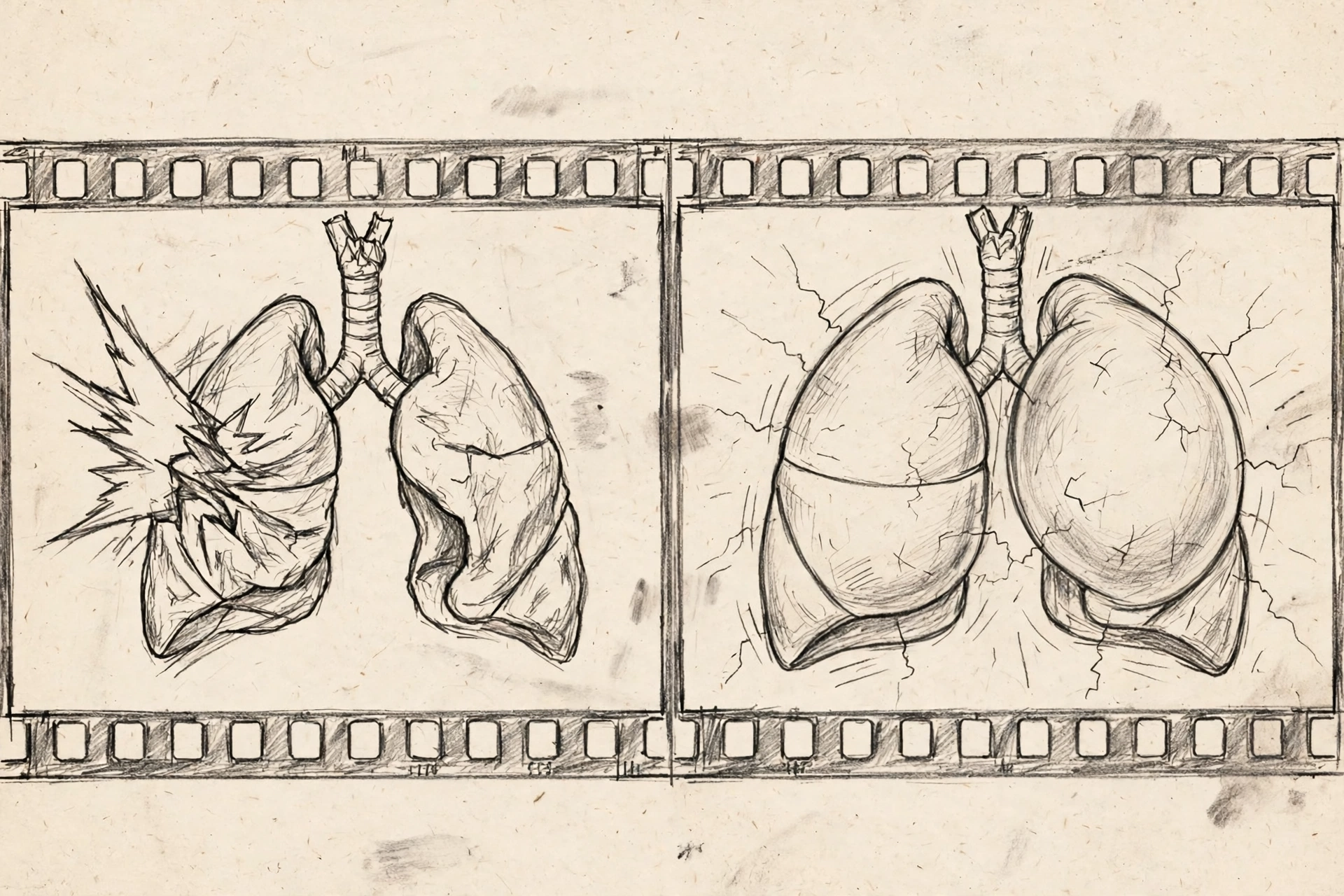
Cut too early: the reaction that never arrived
The early cut has a famous excuse: pace. «This is slow, cut it sooner». And the look gets cut right before it changes, the hand right before it trembles, the door right before we understand who walked in. The viewer gets the information, yes, but does not get the hit. Information without the hit is a summary, not a story.
When a shot is cut early, the next scene inherits a hole that is not its own: it has to carry an emotion that was never fully built. That is why some films are perfectly understood and not felt at all. Everything is clear, everything is fast, and nothing breathes.
Stretched too long: the shot that already said everything
The opposite mistake does not make noise, it makes yawns. The shot did its job: the place was seen, the action was understood, the line landed. And it is still there, two seconds more, three seconds more, repeating what it already said. The viewer does not notice consciously: he simply lets go of the scene. Attention, which is the only thing an editor truly manages, drifts somewhere else.
A stretched shot also dirties the one after it. The next cut feels abrupt or slow through someone else's fault, and the editor starts «fixing» healthy shots while hunting for a problem that was born two cuts earlier.
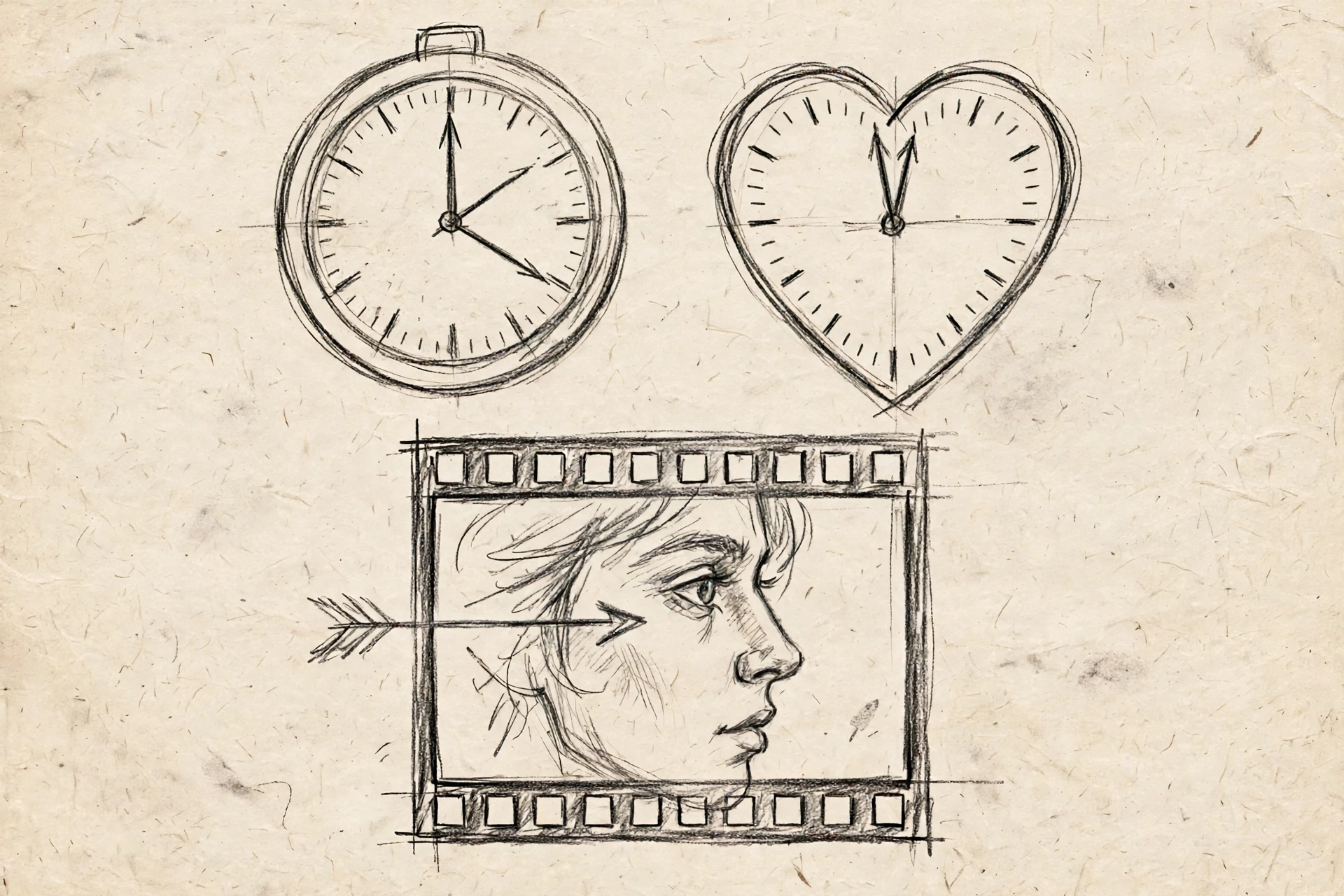
The clock does not decide: what happens inside does
The real duration of an image is not measured in seconds: it is measured in what changes inside it. A look held because something is breaking inside can need far more time than a complete action. And a clear action, which the eye understands in an instant, can be entirely too much if it stays one second too long.
That is why two honest editors can give the same shot different lengths and neither be «wrong» in the numbers. The question is not how long it lasts. The question is when what had to happen finishes happening, not one frame before and not three seconds after. That point exists, you can feel it when you watch, and finding it is a large part of the work.
Where the book works on this
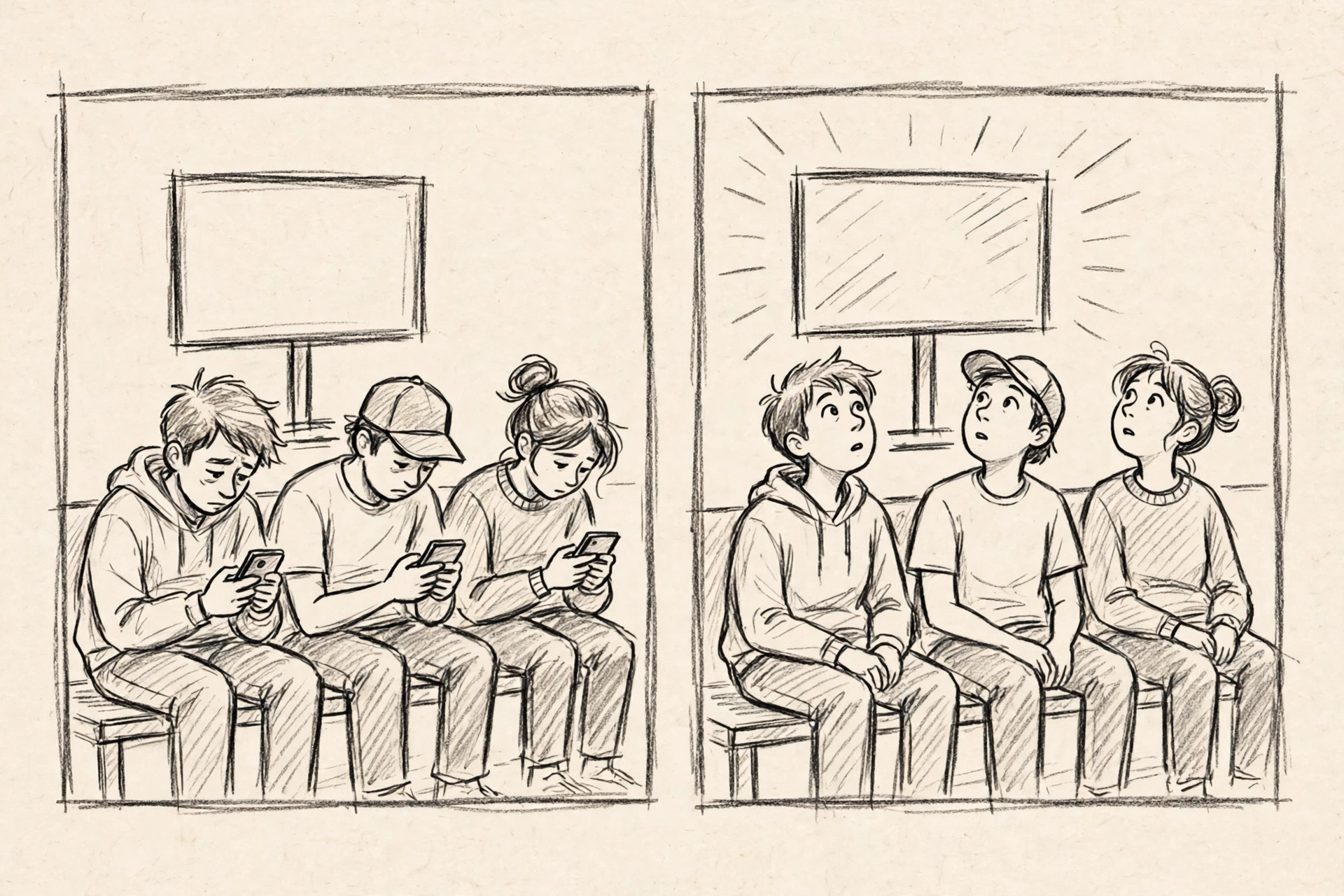
In CTRL+S (Storytelling) this problem has its home. Scene 6, «The Pulse of the Shot: How Long an Image Needs to Live», works on exactly that: how you decide how long an image lives before you let it go. Scene 2, «Cut: Rhythm Lives in the Heart and the Ear», works on rhythm as something you hear and feel, not as a count of seconds. And Scene 5, «The Invisible Cut: Action, Reaction, Cause, and Effect», works on the exact point where one shot hands over to the next without showing the seam.
Here the problem was only pointed out: the shot that cannot breathe is almost never a bad shot, it is a shot with the wrong amount of time. How much is the right amount, and how you find it, is the whole job, and that job is in the book.
Geo Aragon