Chronicles · Geo Aragon
An Editor's Big Red Flags: The Signs That Warn You the Story Is Falling Apart
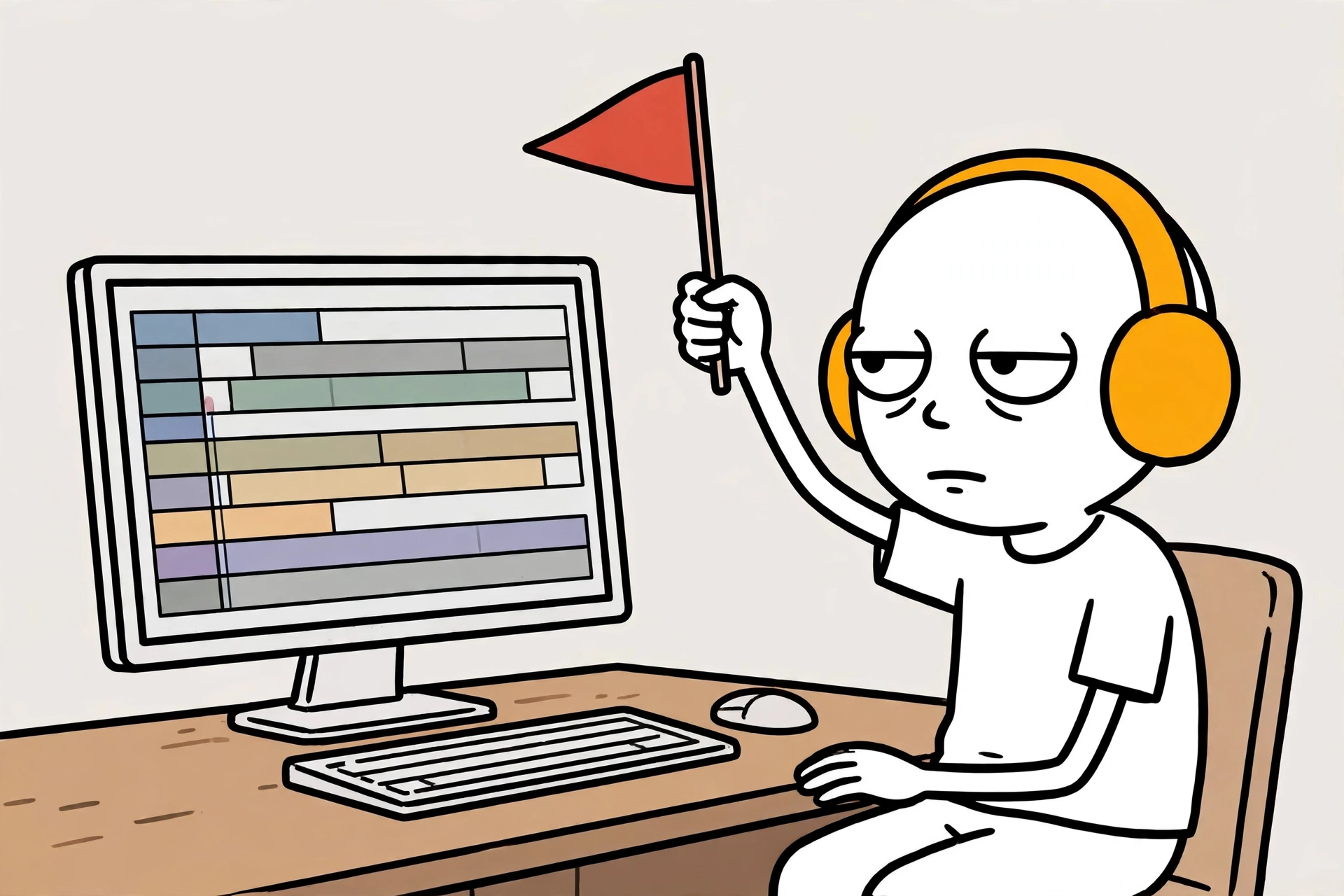
There is a moment every editor knows. The timeline is full, the cuts are clean, the music sounds good, the color looks good. Technically, everything is fine. And yet, when you press play, something does not work. You cannot say what it is, but you feel it in your stomach before you can explain it in words.
That something almost always sent a warning first. Stories do not fall apart all at once: they send signs. An editor with craft learns to see them early, when they still cost minutes, not at the end, when they already cost the whole project. I call those signs red flags. This chronicle does not solve them: it points at them. Solving them is longer work, and that work has a home, which I will tell you about at the end.
Flag 1: You cut before you watched
The timeline filled up in fifteen minutes. The footage arrived, you dragged in the clips that looked good, you laid down music, and half an hour later you already had "a first version". What you never did was watch the material in full, all of it, without touching anything.
It is the most common flag and the quietest one, because it disguises itself as speed. The problem is simple: if you cut before you watch, you decide with what you expected to find, not with what the material actually has. And the material always hides another story: a look, a pause, a gesture that was never in the script.
Flag 2: The music is louder than the scene
The music comes in at second zero, covers the dialogue, pushes every emotion and never goes quiet. Every cut lands exactly on the beat, like a metronome. It sounds nice. And the scene says nothing.
When the music does all the work, the story stops doing it. The viewer feels a lot and understands little, and thirty seconds in they are already tired without knowing why. A music track is not a red flag just for existing: it becomes one when it matters more than what the scene needed to say.
Flag 3: The clips are glued together, but there is no map
One scene follows another, and another, and another. None of them causes the next one. None of them changes anything. If you remove one from the middle, nothing happens, and if you swap their order, nothing happens either.
That is the clearest sign that there is no map: there is only accumulated material. A story is not a row of pretty clips, it is a chain where each piece moves the next. When the viewer quietly asks "why is this here?", the flag has been flying for a while.
Flag 4: You defend your cut, not the story
Someone gives you a note and you feel it as a personal attack. There is a shot you love, one that cost you, one that looks beautiful, and you will not touch it even though the whole scene breathes better without it. Every change becomes an argument about your work instead of a conversation about the story.
This flag is not visible in the timeline: it is visible in the editor. The favorite cut is the most expensive blind spot in the craft, because protecting it costs exactly what the story needed in order to work.
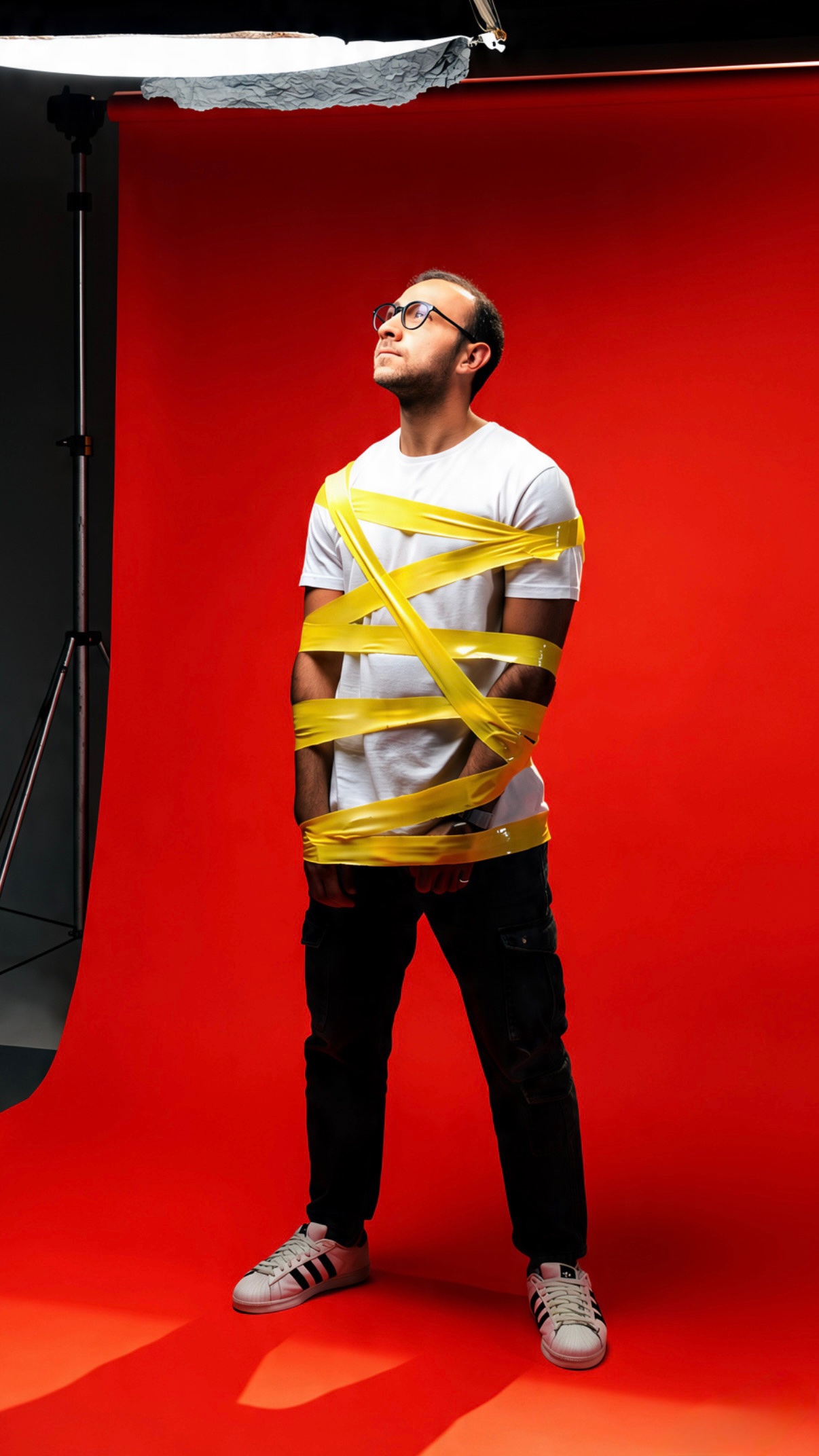
The biggest flag: everything is fine and it still does not work
And then there is the worst of them all, the one with no clear culprit. Good cuts, good audio, good rhythm, good color. Every piece, checked on its own, is fine. But the whole thing does not move you, does not advance, does not stay in anyone's head.
That flag is what separates someone who operates a program from someone who thinks like an editor. It is not fixed with another effect or another music track, because the problem is not in any single piece: it is in what the pieces mean together.
Where each flag is worked on in the book
None of this gets solved in a short chronicle, and the idea is not to sell you a solution in two paragraphs. In CTRL+S (Storytelling), each flag has its scene: watching before cutting is Scene 1, "Pause: See Before You Cut"; rhythm is Scene 2, and the music that steals the scene from the story is Scene 3; defending the story and not the cut, with ego standing in the middle, is Scene 7, and the story map is Scene 8; letting go of the favorite shot is Scene 19, "The Art of Letting Go"; and that feeling that everything is right and it still does not work is, in full, Scene 20.
That is where the complete work lives, with the how and the why. Here we only learned to see the flags. Which is already a lot: because a flag seen in time can be worked on. A flag that goes unseen gets paid for.
Geo Aragon
This is only about seeing the flags. The complete work is in the book.
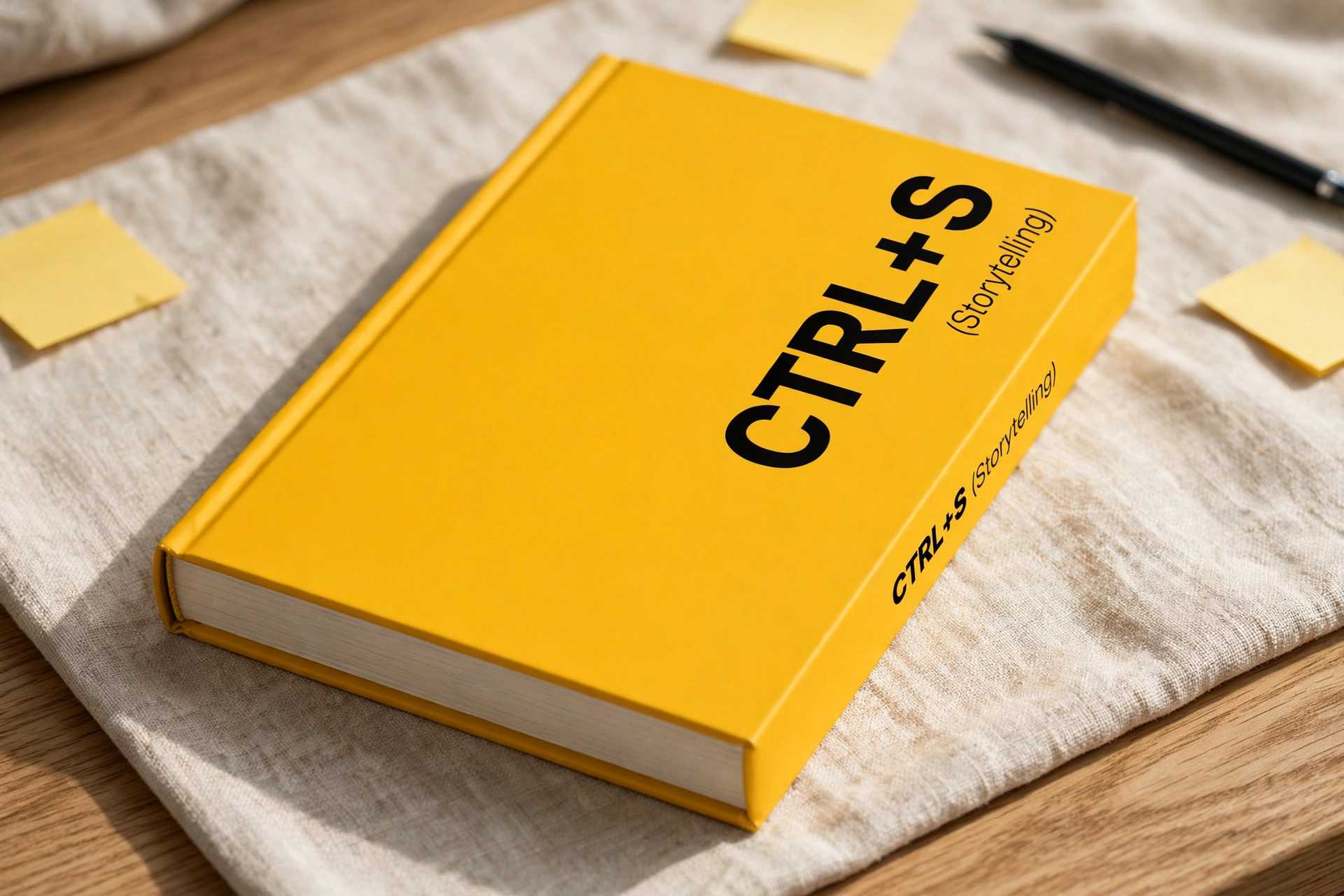
CTRL+S (Storytelling) · Geo Aragon
Order now