Chronicles · Geo Aragon
All Effects, No Story: The Problem with the Editing Gurus
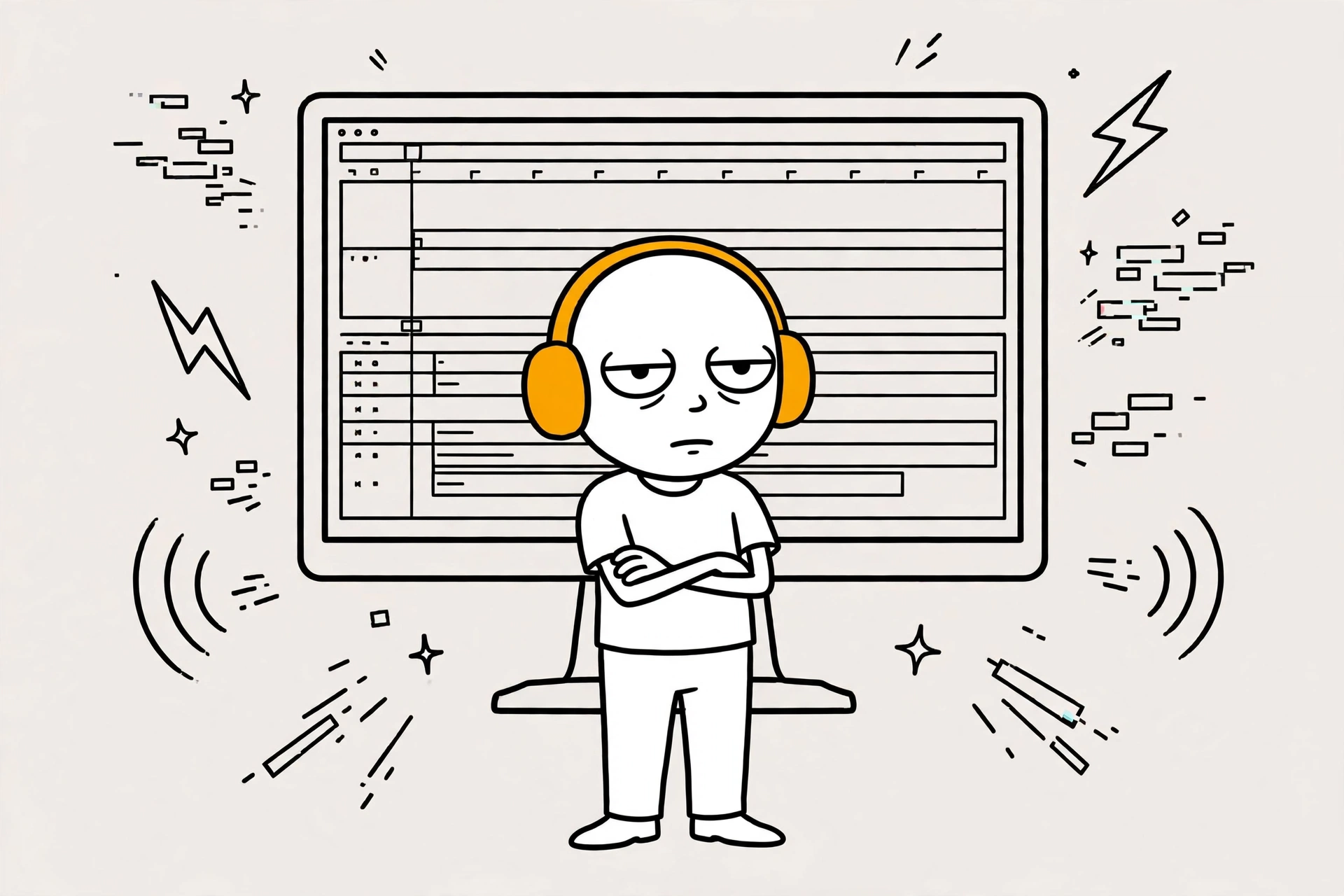
Open any social network and there they are. Ring light, finger pointing at the camera, and the same old promise: the definitive trick to edit like a professional. Thirty seconds of video, and according to them you are already an editor.
No. What you are is one more customer for their course.
Editing is not collecting tricks. Anyone can build a pretty opening with a template, two transitions and trendy music. That is decoration, not editing. The problem comes when those same gurus face a long format, and that is where their repertoire runs out, because a long format is not held up by tricks: it is held up by narrative.
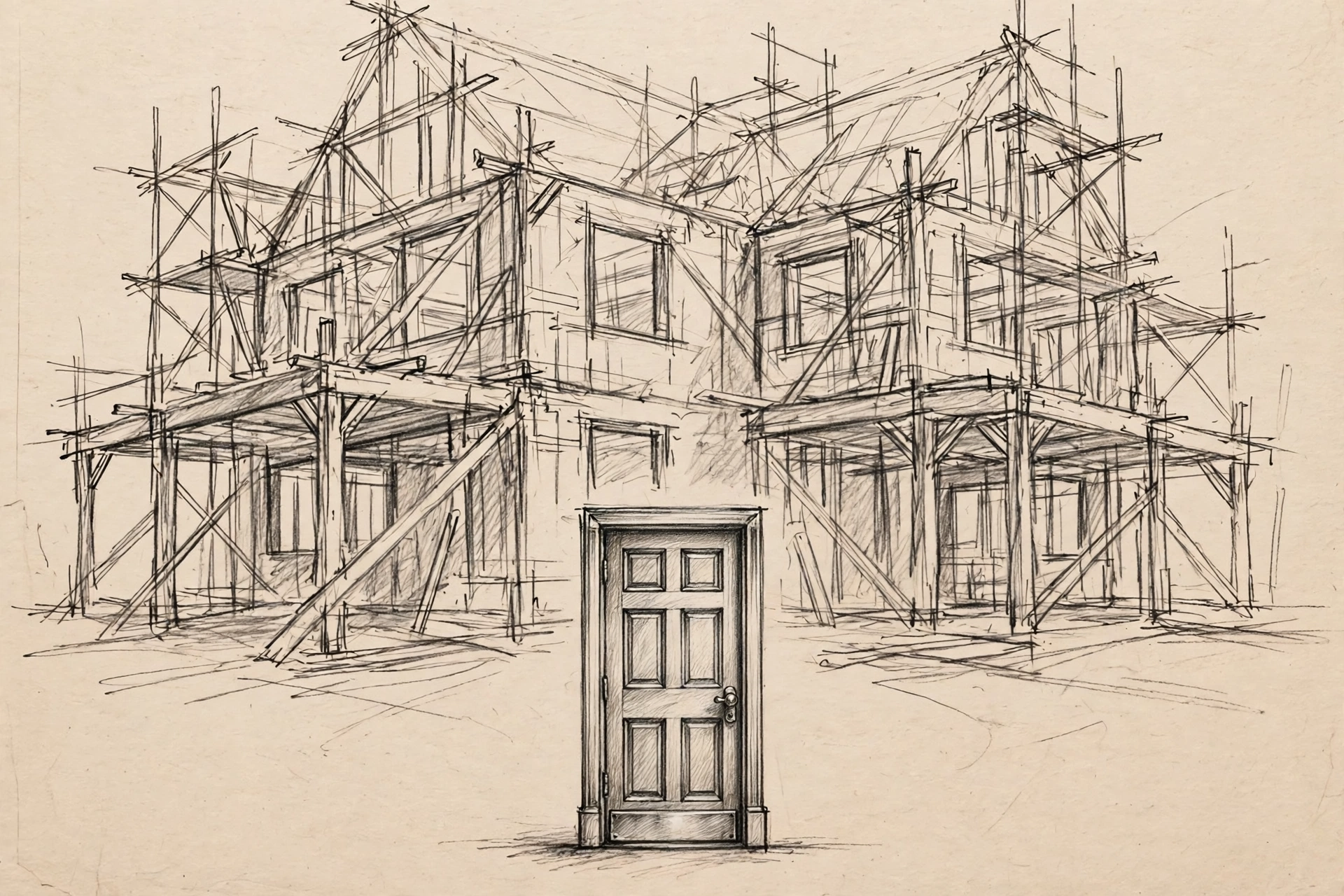
The opening is the front door of the house
The opening is the front door of the house. It matters, of course it matters. But nobody lives in the doorway. A story of forty, sixty or ninety minutes has to breathe, rise, fall and recover. It has to withstand the passing of time without losing the audience, and no effect can solve that.
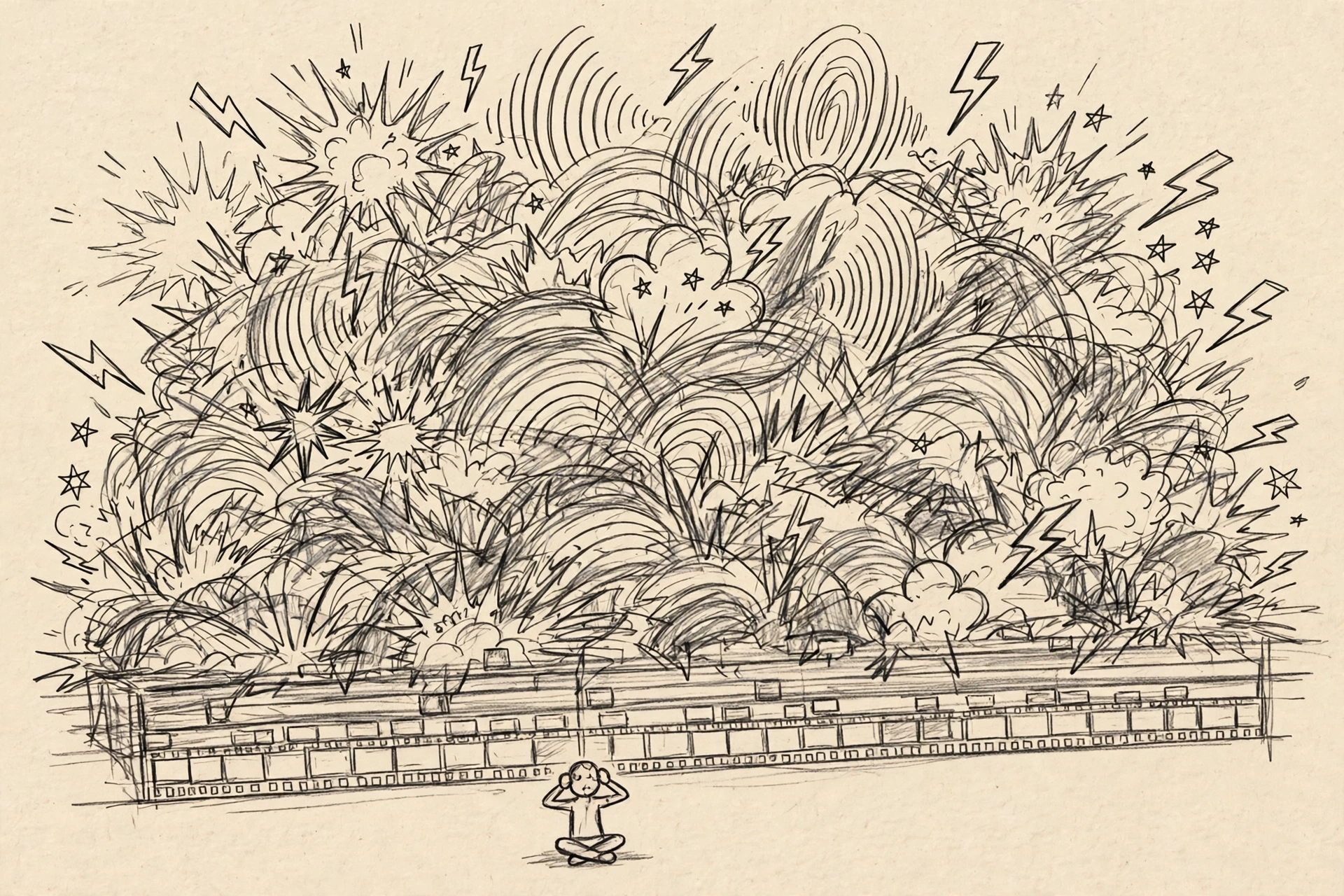
Let us talk about overload. Zoom, flash, whoosh, glitch, a subtitle that jumps, a sound that comes in out of nowhere. Each effect covers the emptiness the previous one left behind. If everything screams, nobody listens. An effect is an accent inside a sentence, not the whole sentence. When the effect becomes the content, it is because there is no content.
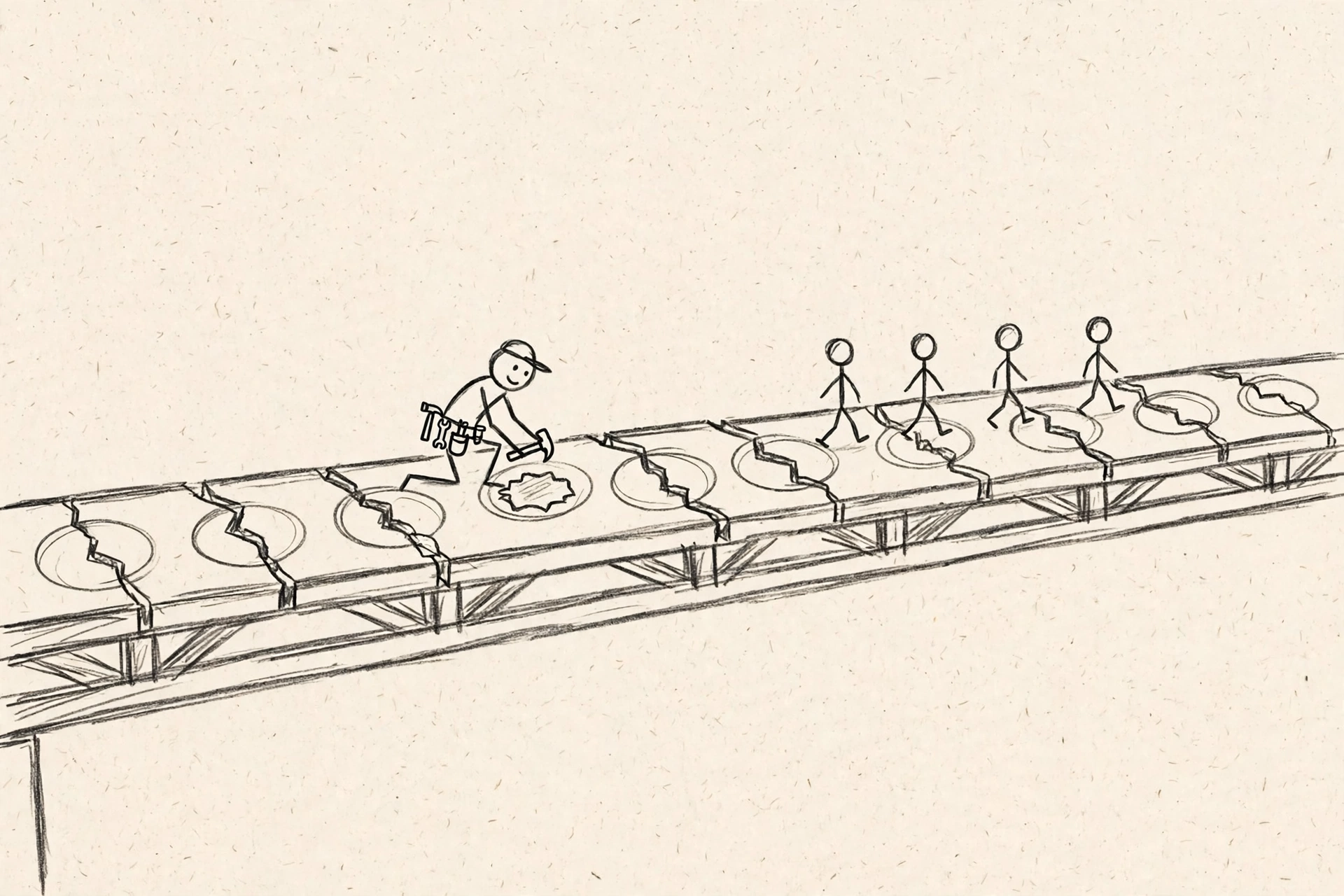
And let us talk about the jump cut. Today they sell it as the great revolution and use it as a crutch: cutting every half second so nobody notices there is nothing underneath. The jump cut is an old, well known tool, useful when it has intention. The problem has never been the cut. The problem is cutting without rhythm, without reason and without a story, and then blaming the tool. It is not the jump cut that is killing storytelling. What kills storytelling is having no story.
The same happens with the hook. Yes, the start matters. A good beginning opens the door and makes a promise. But narrative is what keeps that promise. Holding an audience is not only about the first hit. It is about everything that comes after.
The ten problems of the long format
Because in a long format, narrative truly comes together when the ten problems show up at the same time: the material arrives in disorder, a character does not take off, a scene is unnecessary, the audio competes with the image, the rhythm collapses halfway through, the information repeats itself, the ending never arrives. Solving that on the timeline, decision after decision, that is editing. Everything else is makeup.
Storytelling goes far beyond an opening trick and a rain of effects. Storytelling is the mother of it all: of the hook, of the cut, of silence and of the effect. First the story decides. After that, and only after that, technique obeys.
That is why I wrote CTRL+S (Storytelling). Not to teach you which button to press, because buttons are in every free tutorial. I wrote it to share my experience in editing and montage to build storytelling, which is exactly what the gurus cannot sell you in thirty seconds.
Geo Aragon
This is only about pointing at the problem. The complete work is in the book.
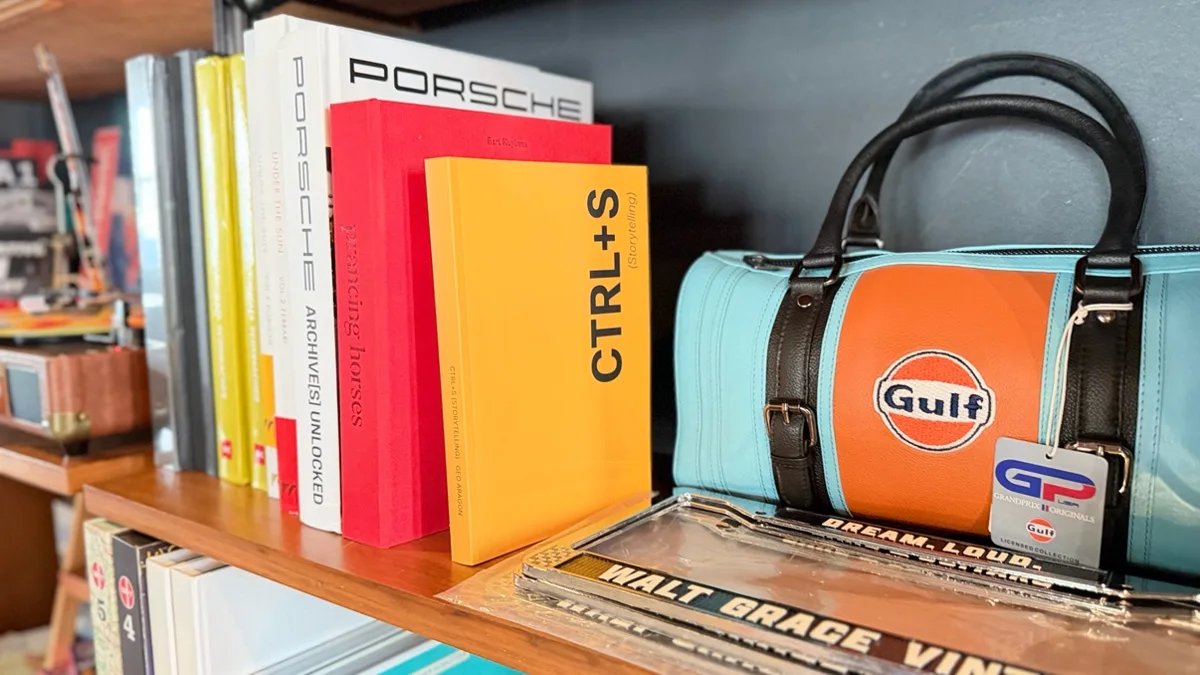
CTRL+S (Storytelling) · Geo Aragon
Order now